Garden Walls Built Without Mortar
Technical notes on drainage layers, footing depth, batter ratios, and regional stone choices for dry-stack walls across Canadian climate zones.

Construction Notes
Practical reference material covering the structural decisions that determine whether a dry-stack wall lasts a season or several decades.

Gravel Backfill and Drainage in Dry-Stack Garden Walls
How to size a gravel drainage layer, choose the right aggregate, and position a perforated pipe behind retaining walls in Canadian soil conditions.
Read article →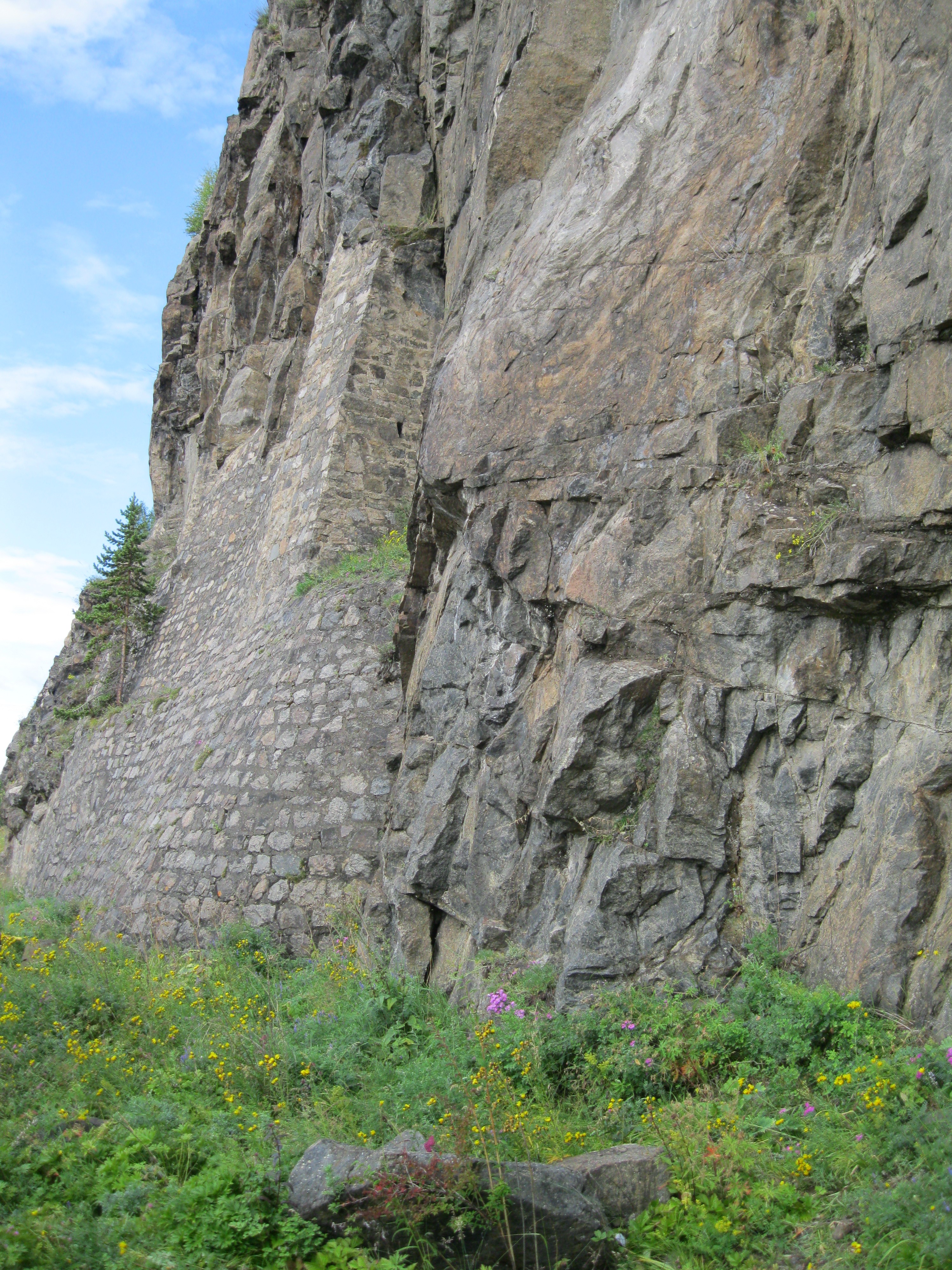
Batter Angle, Footing Depth, and Frost Considerations
Why a dry-stack wall leans slightly into the hillside, how deep footings need to go below the frost line, and how freeze-thaw cycles affect stability.
Read article →
Fieldstone vs. Cut Blocks: Choosing Stone in Canada
A comparison of local fieldstone, quarried limestone, granite, and cut concrete blocks for dry-stack garden walls across Ontario, Quebec, and BC.
Read article →What This Site Covers
Focused reference notes on the four structural decisions that most affect a dry-stack wall's long-term performance.
Drainage Layers
Gravel sizing, geotextile placement, and perforated pipe positioning to manage hydrostatic pressure behind garden walls.
Footing Depth
How frost penetration depth varies across Canadian provinces and how to set a footing that survives repeated freeze-thaw cycles.
Batter Angle
The standard 10:1 inward lean of a dry-stack wall face, how to lay it out with batter boards, and when steeper grades apply.
Stone Selection
Regional fieldstone availability, durability differences between limestone, granite, and sandstone, and where cut blocks fit in.
Regional Conditions
How Ontario clay soils, Quebec limestone bedrock, and BC coastal moisture change the approach to wall construction.
Wall Height Limits
Practical height ceilings for freestanding dry-stack walls, load-bearing retaining walls, and garden border walls without permits.